
Days: 16 APR
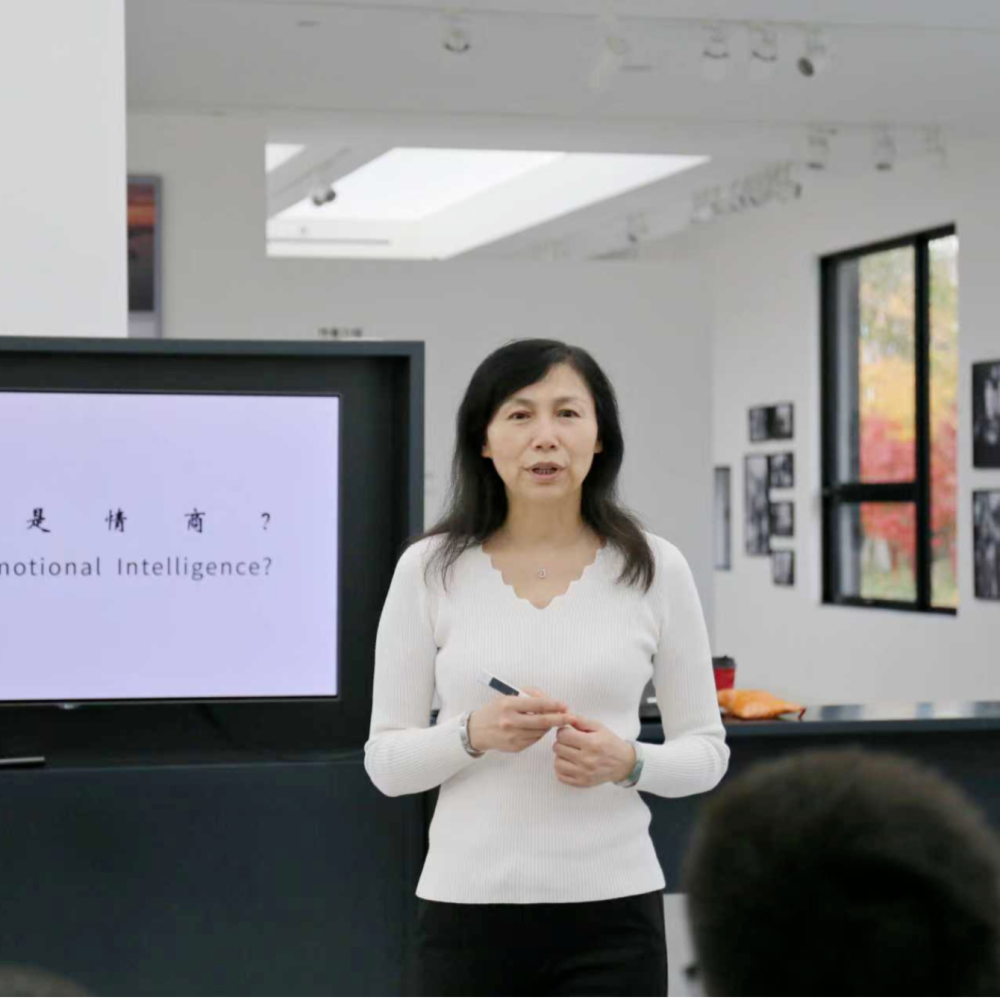
拖延症与意志力改善
 4月16日, 下午2:00 - 下午3:30
 音昱讲堂
音昱讲堂
很多人都希望自己有更多的自控力,来帮助自己提高工作效率、完成运动计划,建立良好的生活方式,从而拥有由内到外的健康与优美。但是自控力的提高不是靠一味的鞭策自己更自律,或者谴责自己拖延的,需要有一套科学的方法。应对拖延症的核心,就是能量管理。
本工作坊基于最新的“拖延症”与意志力研究,帮助大家了解影响自控力的各种因素,学习提高自控力的策略和实用技巧。
通过能量管理来玩转拖延症,通过赋能扩容意志力储备,从而让我们在工作和生活方面减少拖延症、培养提升自控力。同时,还会运用最新的神经语言程序学的方法,连接潜意识,帮助您更容易去改变不符合自己健康目标的不适行为,建立更健康的生活方式。
婵柔|脊柱减压
4月16日, 上午10:00 - 上午11:00
正念运动中心
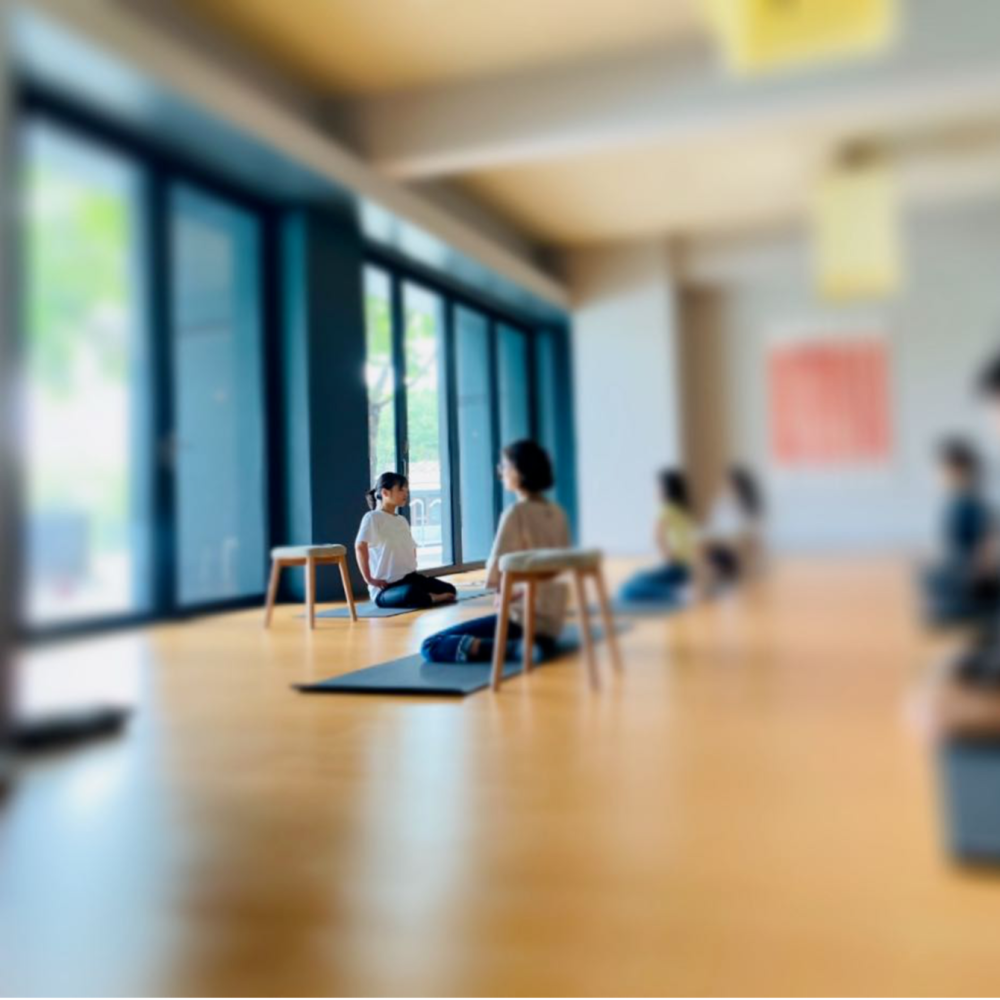
专注于脊椎的螺旋运动,强调联结上肢、核心与下肢。在运动中创造贯穿全身的螺旋张力线,有效增加骨间隙与脊椎空间,从而增强脊椎的灵活性与稳定性,释放压力,恢复活力。
How to deal with procrastination
4月16日, 下午2:00 - 下午3:30
Auditorium
Boosting self-control isn't about self-reproach; it's about Energy Management. Based on the latest neuroscience of willpower and procrastination, this workshop moves beyond the "push harder" mentality. You will learn to empower your willpower reserves through scientific strategies and NLP (Neuro-Linguistic Programming) techniques. Align your subconscious with your health goals and transform procrastination into a sustainable, high-performance lifestyle.
GYROKINESIS® Method: Spinal Decompression
4月16日, 上午10:00 - 上午11:00
SANGHA Movement Center
Focusing on the art of spinal spiraling, this workshop explores the essential connections between the limbs and the core. You will learn to create spiraling tension lines that run through the entire myofascial web, effectively decompressing interosseous spaces and expanding spinal volume. It is a powerful method to enhance stability, release deep-seated neural pressure, and reignite your physical vitality.
呼吸与传统养生瑜伽
4月16日, 下午3:00 - 下午4:00
正念运动中心
“气”是生命健康的动力之源。本课程教授多种呼吸法,并将其与传统瑜伽体式在动态中结合,区别于健身式瑜伽。课程从情绪、身体、心灵的放松入手,配合柔和呼吸与舒缓音乐,引导您进入身心的恢复性调理与修复过程。

Breathing and Traditional Health-Preserving Yoga
4月16日, 下午3:00 - 下午4:00
SANGHA Movement Center
Qi is the vital spark of life and the driving force of health. This course transcends fitness-oriented yoga by weaving dynamic Pranayama (breathwork) with traditional postures. Starting with emotional and physical release, we use gentle breathing and soothing melodies to guide you into a restorative state of repair. It is a holistic practice designed to replenish your vital force and return your mind-body system to its natural equilibrium.
梵音唱诵
4月16日, 下午1:00 - 下午2:00
谈天说地 7
梵音唱诵,又称梵呗或mantra唱诵,是古印度的一种声音禅修法门。通过特定的梵语音节、节奏和旋律进行重复吟唱,以达到净化身心、连接神灵或宇宙能量的目的,是一种“音声禅法”。
无需追求演唱技巧,只需配合呼吸正念吟唱,让声音的共振净化身心、平衡脉轮、释放情绪,引导意识安住当下,从焦虑中抽离,最终唤醒内在觉知与能量,让身心回归清净平和的状态。
Joyti Tratak|烛光冥想
4月16日, 下午3:00 - 下午4:00
创艺轩2
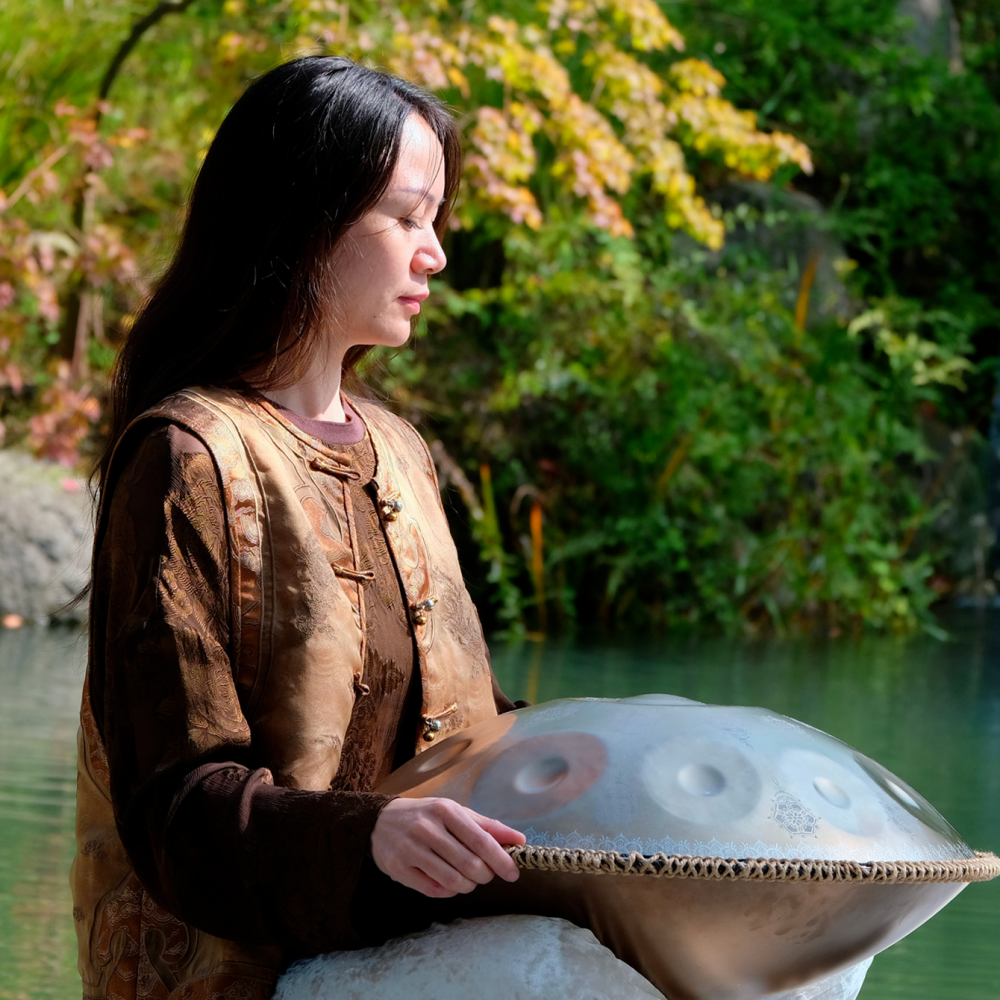
Jyoti Tratak是瑜伽中一种强大而先进的专注力(dhāranā)练习。通过稳定地凝视烛光来训练意识。这个词来自梵语:“Jyoti”的意思是光,“Tratak”的意思是稳定地凝视而不眨眼。它能显著增强眼部功能、平静心灵、提升注意力、记忆力和意志力,并为深度冥想做好准备。
课程将分阶段指导外部凝视、内化图像及放松整合,带领您安全有效地练习。
分步练习说明:
第一阶段:外部凝视(Bahir Trātaka)
1.安身:坐在火焰前,放松身体,深呼吸几次。
2.稳定凝视:睁开双眼,轻轻地将目光固定在火焰发光尖端的顶部(就在灯芯的蓝色部分上方,最亮的稳定点)。避免盯着灯芯本身。
3.一动不动:保持身体、头部和眼睛完全静止。尽可能少眨眼,但不要强迫它们打开。如果你一开始需要眨眼,没关系。
4.全神贯注:让你的整个意识被火焰吸收。观察它的品质:颜色、形状、运动、亮度。当思绪飘忽不定时,轻轻地把它带回火焰中。
5.练习时长:在预定的时间内凝视。对于初学者来说:1-3分钟就足夠了。练习时,可以延长到5-10分钟。永远不要紧张。
第二阶段:闭上眼睛(将图像内化)
1.柔和闭眼:凝视后,缓慢而柔和地闭上眼睛。
2.观察残像:你会看到火焰在你漆黑的眼皮上生动的、倒置的残像。它可能是白色、蓝色或金色。
3.按住图像:集中于这个内部图像。尽量保持它稳定并居中在眉毛之间(在Ājñā脉轮或第三眼点)。当它消失时,试着回忆一下它。
4.持续观照:只要内部图像自然持续,或与您凝视外部的时间相同。
第三阶段:完成和放松
1.放手:一旦余影完全消失,就放下所有的努力。闭上你的眼睛。
2.手掌:用力揉搓手掌,直到它们变暖.轻轻将手掌放在闭着的眼睛上,不要触摸眼皮。感受舒缓的黑暗和温暖。深呼吸。这被称为“手掌”,对放松眼部肌肉至关重要。
3.觉察余韵:安静地坐一分钟,观察你头脑的平静和眼睛的放松。
·微妙的影响:您可能会体验到更清晰、平静或偶尔的净化反应。练习后若有流泪现象属于正常的净化反应。
练习禁忌与预防措施:
·严重抑郁症或癫痫(可能影响神经系统通路)。
·最近的眼部手术或急性眼部感染。
·严重的精神激动。在这种情况下,先做更简单的呼吸意识。
愿你的实践稳定而富有启发性。
-Joyti-Tratak-Candellight-Meditation2-1000x1000.png)
Buddhist chant
4月16日, 下午1:00 - 下午2:00
Connection Room7
Sanskrit Chanting is a profound form of "Sound Zen"—an ancient meditation that purifies the soul. By repetitively chanting sacred syllables and melodic mantras, you bypass complex vocal techniques to focus purely on mindful resonance. As your voice vibrates through your being, it balances the chakras, dissolves emotional blockages, and anchors your consciousness in the present. It is a journey to quiet the mind's anxiety and awaken the radiant peace within.
Jyoti Tratak: Candle Gazing Meditation
4月16日, 下午3:00 - 下午4:00
Inspiration Room2
Jyoti Tratak is a powerful and advanced concentration (dhāranā) practice in yoga that involves steady gazing at a flame. The word comes from Sanskrit: "Jyoti" means light, and "Tratak" means to gaze steadily Without blinking eyes. It is known for strengthening the eyes, calming the mind, improving focus, memory, and willpower, and preparing the mind for meditation.
Step-by-Step Instructions
Stage 1: Bahir Trataka (External Anchoring)
1. Settle In: Sit in front of the flame, relax your body, and take a few deep breaths.
2. Steady Gaze: With both eyes open, gently and softly fix your gaze on the top part of the flame's luminous tip (just above the blue part at the wick/candle, the brightest steady point). Avoid staring at the wick itself.
3. Be Motionless: Keep your body, head, and eyes completely still. Blink as little as possible, but do not force them open. If you need to blink in the beginning, it's okay.
4. Full Attention: Let your entire awareness be absorbed in the flame. Observe its qualities: color, shape, movement, luminosity. When the mind wanders, gently bring it back to the flame.
5. Duration: Gaze for a pre-determined time. For beginners: 1-3 minutes is ample. As you practice, you can extend to 5-10 minutes. Never strain.
Stage 2: Antar Trataka (Internal Visualization)
1. Close Eyes Gently: After your gazing time, slowly and softly close your eyes.
2. Observe the Afterimage: You will see a vivid, inverted afterimage of the flame against your dark eyelids. It might be white, blue, or golden.
3. Hold the Image: Concentrate on this internal image. Try to keep it stable and centered between your eyebrows (at the Ājñā Chakra or third eye point). As it fades, try to recall it.
4. Duration: Hold the internal image for as long as it lasts naturally, or up to the same time you spent gazing externally.
Stage 3: Integration & Palming (Sensory Rest)
1. Let Go: Once the afterimage completely fades, let go of all effort. Keep your eyes closed.
2. Palming: Rub your palms together vigorously until they are warm. Gently cup your palms over your closed eyes without touching the eyelids. Feel the soothing darkness and warmth. Breathe deeply. This is called "palming" and is essential to relax the eye muscles.
3. Integration: Sit quietly for a minute, observing the calmness in your mind and the relaxation in your eyes.
· Subtle Effects: You may experience increased clarity, calmness, or occasional purification responses (like watering eyes),This is normal.
Precautions
· Severe depression or epilepsy (can affect neurological pathways).
· Recent eye surgery or acute eye infections.
· Severe mental agitation. In such cases, do simpler breath awareness first.
May your practice be steady and illuminating.